Philippa Bird
Chair
I first visited Lesotho in 1983, accompanying my late husband Chris Bird who had been one of the original students on the 1981 trip. Seeing the work of the technical schools and meeting some of the students made me realise how important the Basotho Educational Trust was to impoverished young people seeking the skills to enable them to earn a livelihood and contribute to the wealth of their country.
Over the years I have held a number of posts – Trustee, Treasurer and now Chair of the UK Trustees. All have given me different insights into the workings of the Trust and the importance of our many supporters around the UK who enable us to fund the bursaries that assist the students. Thanks to a generous bequest we are now able to support further through a Tools Fund which will provide tools necessary for graduating students to ply their new trade. Although Lesotho continues to face many challenges, I am optimistic for the future as I follow the progress of these future contributors to life in Lesotho.
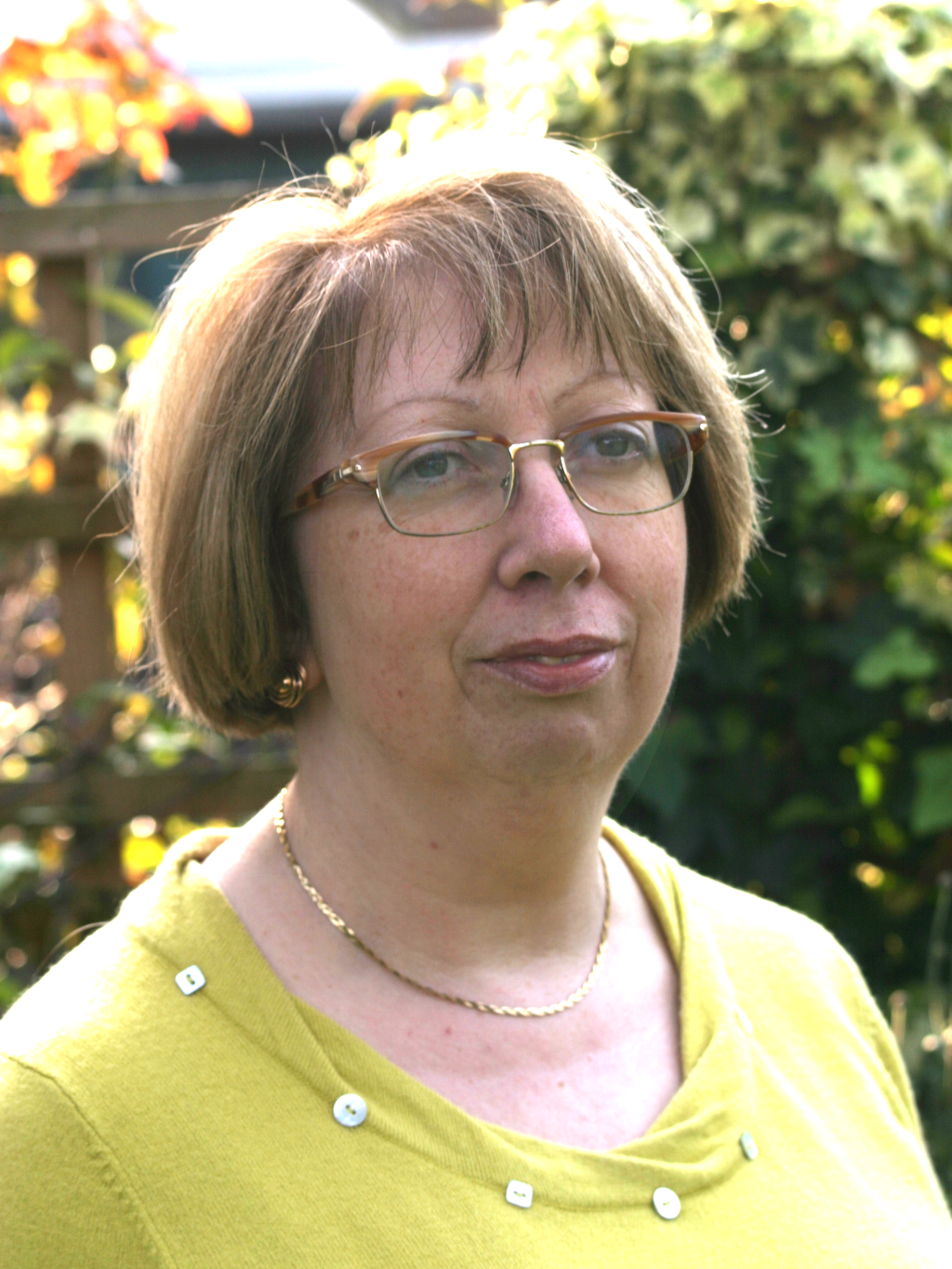
Rebecca Chandler-Wilde
Treasurer
I was one of the original Imperial College students who went to Lesotho in 1982. By happy co-incidence I also met my husband on the trip. I am now retired from a career in business and business education but busy as a charity trustee, college governor, environmental campaigner and Brownie ‘Tawny Owl’. I am also responsible for keeping the BET finances in order.

Graeme Shaw
Publicity
I first visited Lesotho in 1982, as one of the original students from Imperial College who made the trip. I joined as a Trustee of the charity back in 1984, soon after it was formed, because I knew of the value that it would add to people’s lives. I am now retired from the Computer Software industry and dedicate my time to serving in my local church, various charities as well as being a local government councillor.
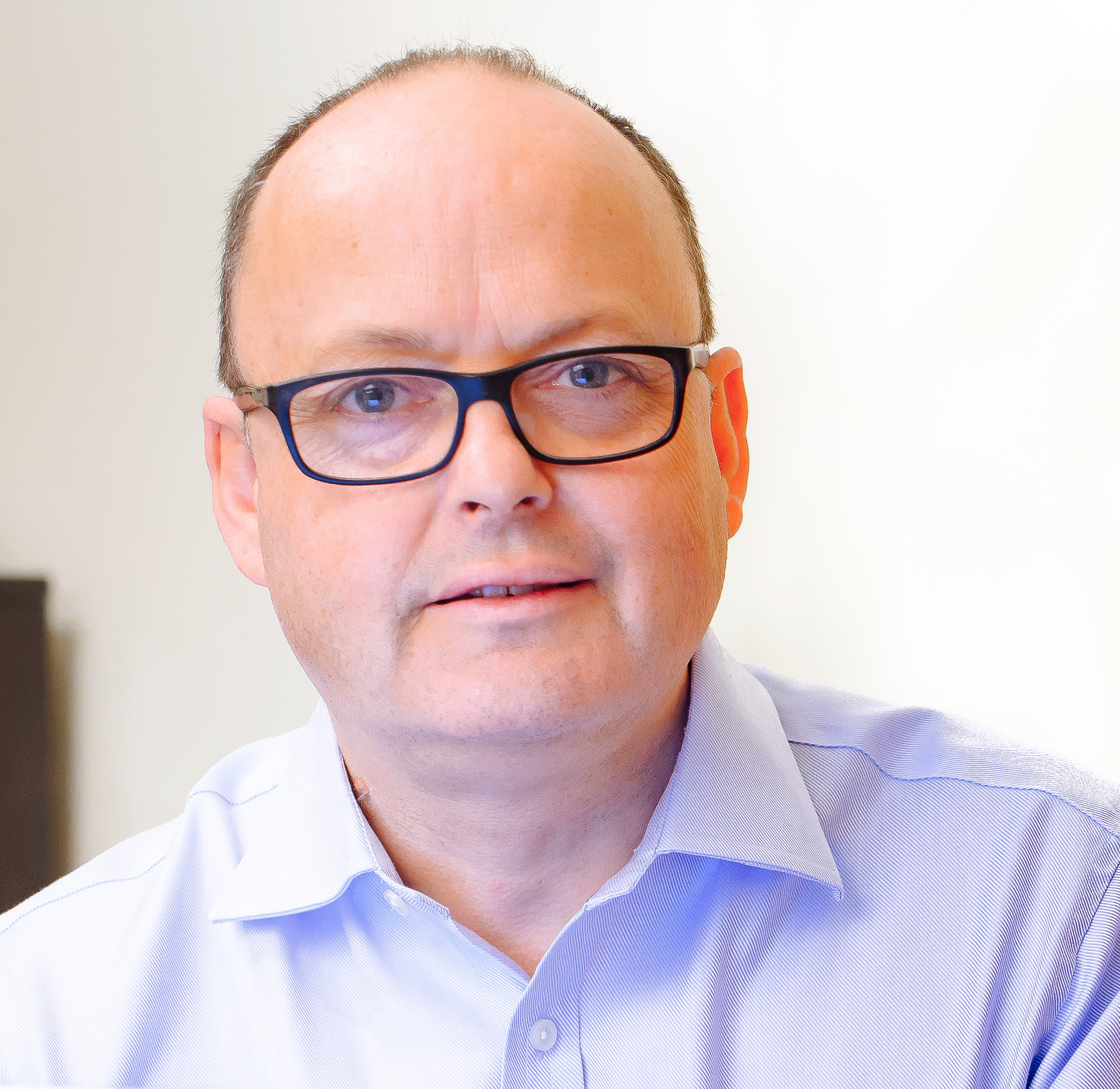
Sue Claydon
Member
I went out to Lesotho in 1971 and worked with the ‘Continuation Schools’ in Leribe and Butha-Buthe Districts. These schools were formed following a Government decision to have both Standard 7 and 8 complete primary school at the same time. There were many students who could not get places in secondary schools, even though all the existing schools took in an extra form or two. Some one at the Ministry thought we have a spare classroom in every primary and a spare Standard 8 teacher (the purpose of the change was to bring Lesotho into the same school organisation as Botswana and Swaziland who had only 7 years of primary). So, they set up a number of continuation schools. These had no resources and just a copy of what they were to teach. I travelled around them supporting teachers. The ‘new maths’ had just been introduced and I arranged for the Dutch specialist to come and give Saturday classes to bring these teachers up to date. The Ministry was then under further pressure to allow a number of these to become junior secondary schools. Five of my ‘schools’ did this. Eventually, I settled at St. Paul’s in Butha-Buthe and stayed there for two years, taking over as Head Teacher when my colleague was ill.
I used to stop in Leribe often and got to know the Sisters of the Holy Name who help to run BET.. In 1973, the second technical school was set up and based at St. Monica’s. The first instructor had been training motor mechanics for Save the Children Fund. My husband to be came north and in December 1974 we were married, with Sr. Christian and Sr. Gladys Mary in attendance. We live at March in the Fens and are both now retired. My interest in Africa continues with to VSO placements in Zambia and South Sudan. I feel strongly that technical education does not have a high enough status.
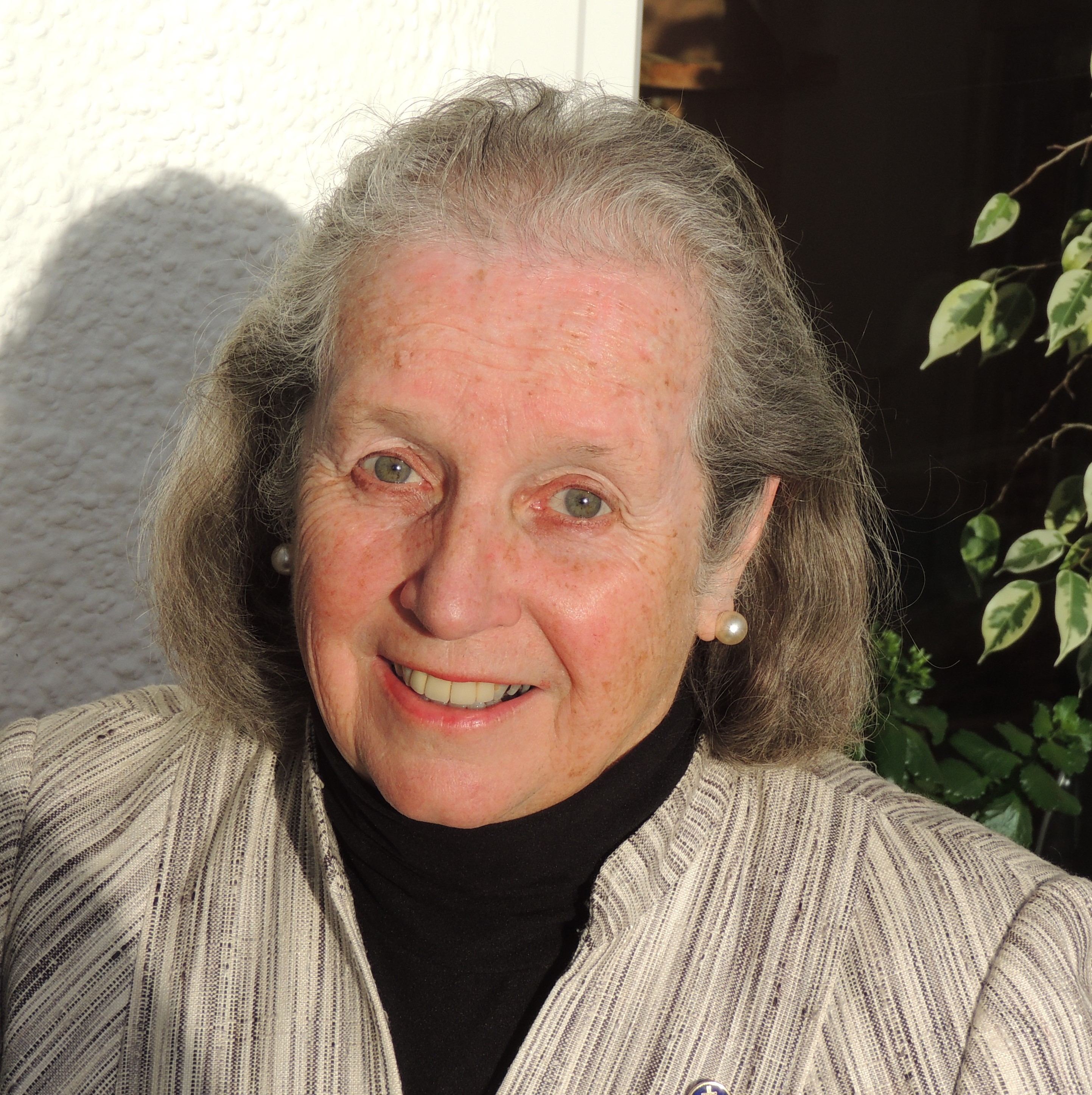
Keke Mokete
Member
I was born and grew up in the beautiful, mountain Kingdom of Lesotho. Secondary education was at St Catherine’s Girls School, an Anglican Church of Lesotho school that is also the only school in the country providing secondary education to the visually impaired, both male and female. I was fortunate to have had my formative years at the school shaped by the leadership, guidance and kind tutelage of the wonderful Sister Jean CHN (a former Trustee of the BET). I attended the University of Lesotho to study law, followed by a stint of several years working for the Government of Lesotho as a Senior Legal Officer in the Ministry of Labour. I completed an LLM at Georgetown University in Washington and returned to Southern Africa where my next role was as a Coordinator for the International Labour Organisation, ILO/Swiss Project that worked to assist social partners in Southern African countries (Lesotho, Swaziland, Botswana, Swaziland and Namibia) to build their labour dispute resolution infrastructure and capability.
Upon moving to the UK after marriage, I worked/volunteered for the African foundation for Development (AFFORD), an international organisation based in the UK with a mission to expand and enhance contributions Africans in the diaspora make to African development. I also worked, under the umbrella of the Gaia Foundation in London, for Professor Wangari Maathai, the first African Woman Nobel Laureate, coordinating the international arm of her Green Belt Movement, in the year she won the Nobel Peace Prize.
After starting a family, I did a number of consultancies, including for the Lesotho Government and the International Organisation for Migration, the latter involving the Mapping of Basotho Healthcare Professionals working and living in the UK. The purpose of the mapping exercise was to map out demographic and social characteristics of these health professionals, their migratory trajectories as well as their potential for contributing to the development of the health sector in Lesotho. I have been actively involved in the education of my two children, volunteering as a parent reader in their primary school and participating in parent teacher bodies in various capacities through their secondary schooling.
It was a great honour to be asked to be part of the BET, as a former student of Sister Jean Mary. She always Impressed upon us the importance of service to country and aiding its development. What better way to do that than to be a part of an organisation dedicated to support for vocational education, so crucial to alleviating poverty and improving youth employment in Lesotho.
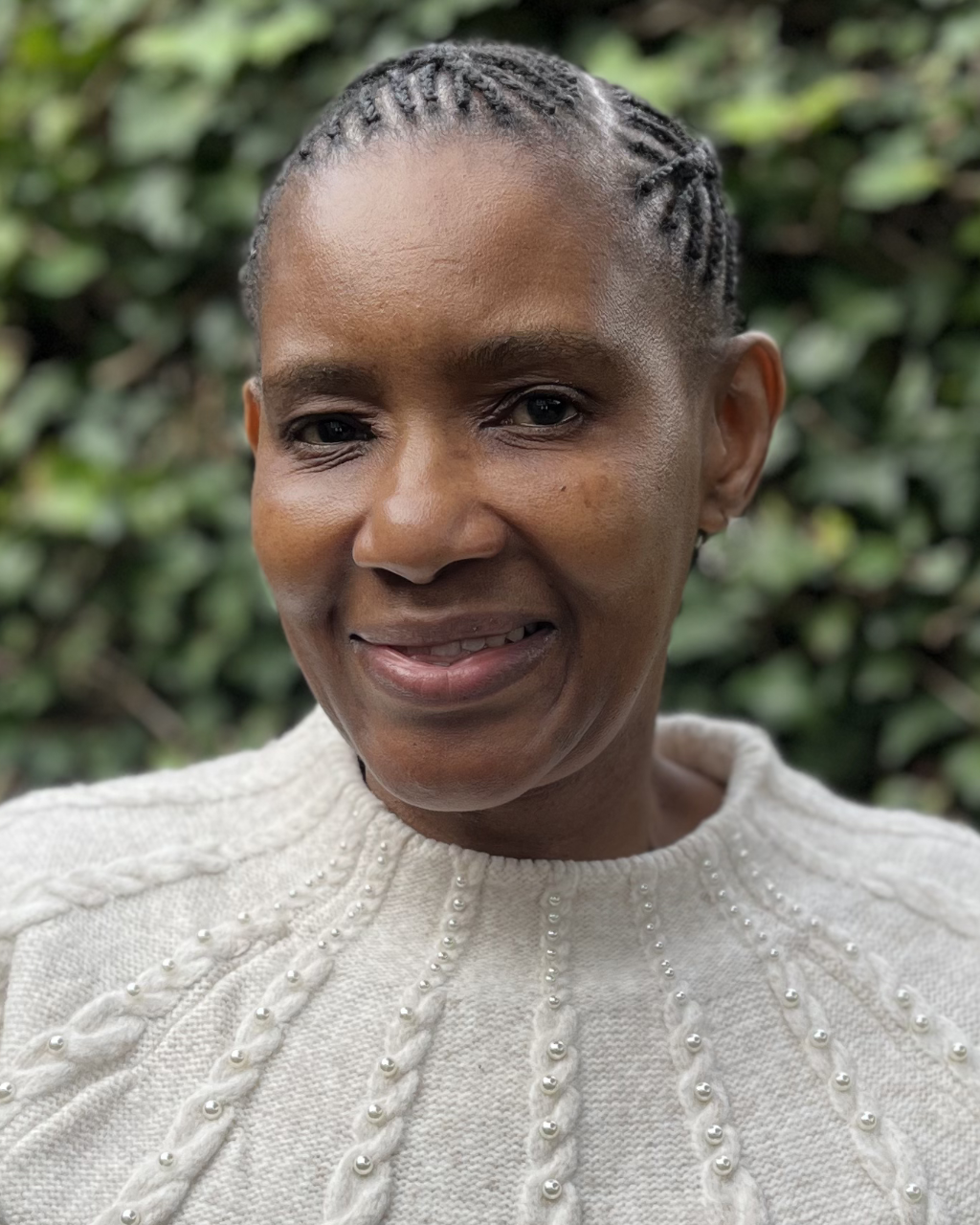
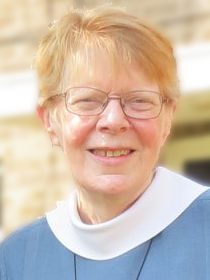
Sister Monica
Member
I am a member of the Community of the Holy Name. I have always been aware of the BET Charity as CHN has always been involved from its inception. But it was only after my several visits to Lesotho that I realised how important the Charity is to the development of the local young people of Lesotho, especially the less academically able but potentially very skilful. I saw for myself at first hand the work that was being done. So, I was delighted to become a Trustee some years ago. As a former teacher and a long-term member of CHN I appreciate the great need for financial support for those who cannot access other grants.
 Basotho Educational Trust